 Skip to content
What Happens If Movers Damage Something During an Interstate Move?
If furniture, boxes, electronics, artwork, or other household items are damaged during a long-distance move, the first step is not panic — it is documentation. Interstate moving claims depend heavily on the condition of the item before pickup, the inventory record, delivery notes, photos, valuation coverage, and the claim process listed in your moving paperwork.
Many customers assume moving companies automatically pay full replacement value for damaged items, but interstate moves work differently. Federal moving rules require movers to offer valuation options, and the amount of reimbursement may depend on which protection option was selected before the shipment was transported.
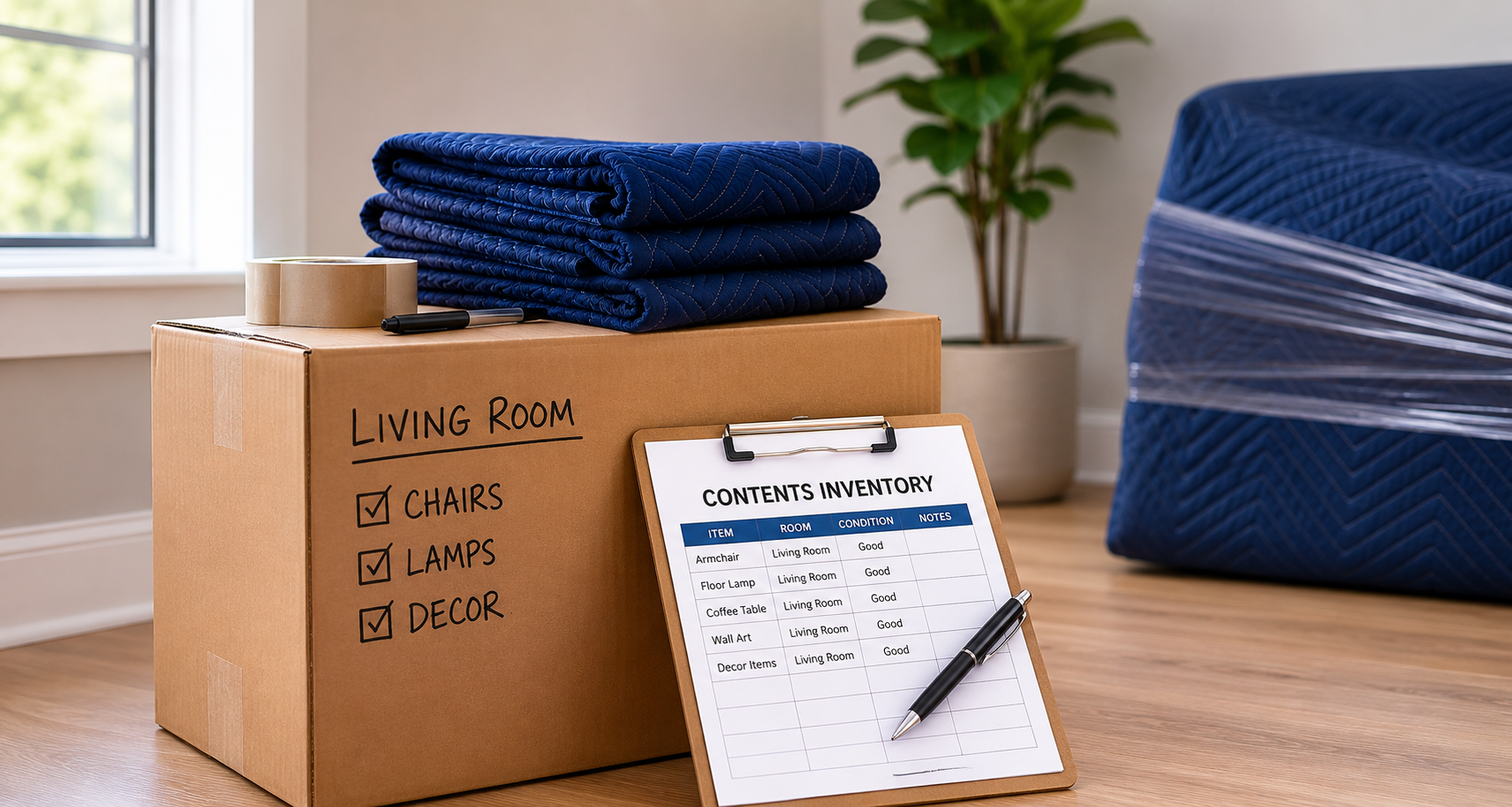
Before You File a Claim, Know These Terms
Your official moving contract and transportation document.
The itemized condition record used before pickup and at delivery.
Basic valuation coverage that pays a limited amount per pound per item.
A higher level of mover liability that may involve repair, replacement, or settlement.
This is the basic no-cost valuation option. It provides limited reimbursement, often far below the actual replacement cost of a damaged item.
This option gives the mover greater responsibility for covered items and may involve repair, replacement, or a cash settlement.
Some customers choose additional insurance through a separate provider for high-value items, antiques, artwork, or specialty belongings.
The best protection starts before moving day. Take photos of valuable items, keep a clear inventory, ask questions about valuation coverage, and review Ace Moving Co.’s moving inventory guide before a long-distance move. For official consumer guidance, you can also review the FMCSA liability protection guide.
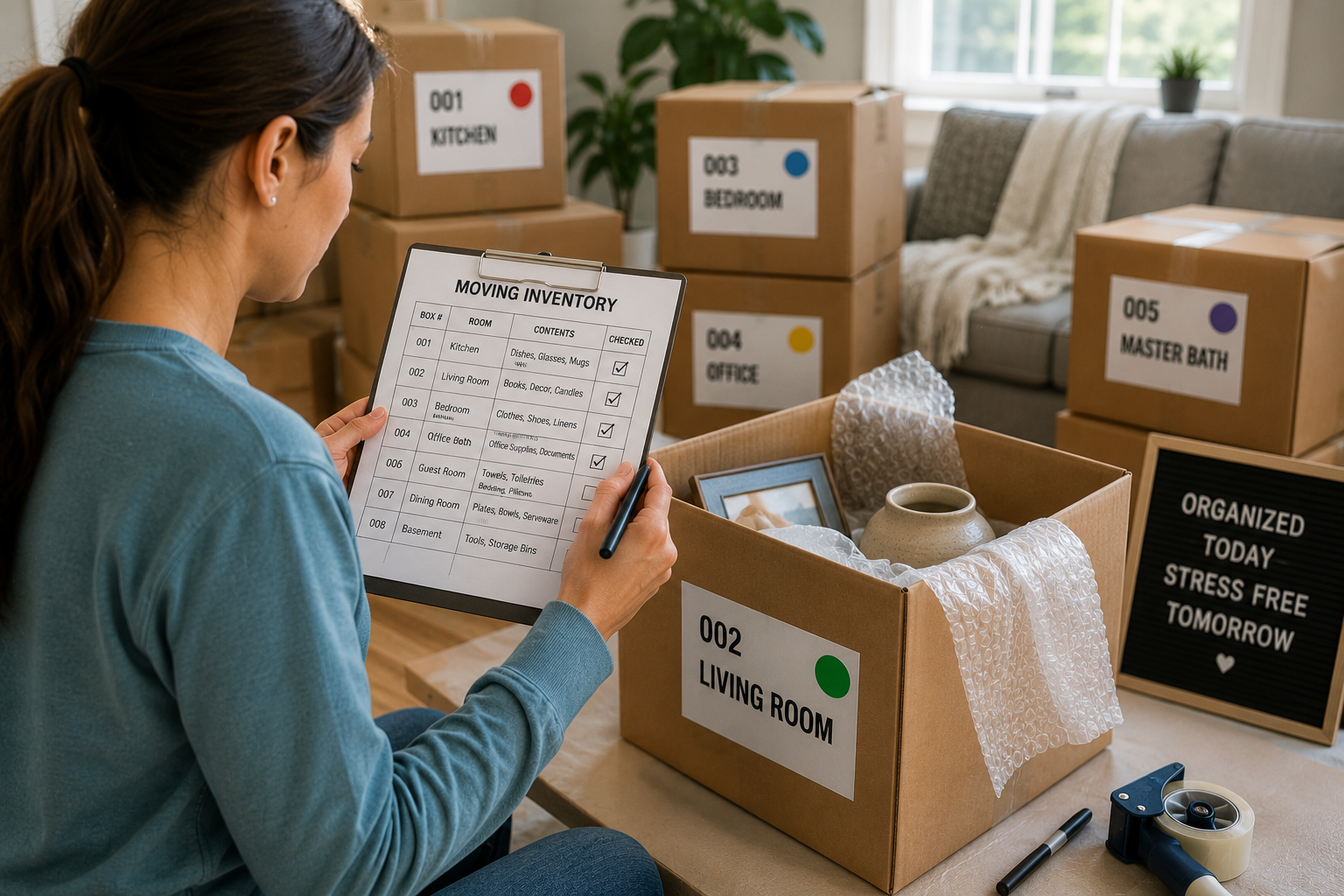
What To Do Immediately After You Discover Damage
The first few hours after delivery are usually the most important part of the interstate moving claims process. If damage is discovered, documentation matters far more than emotion. Photos, inventory records, delivery notes, and written communication often become the foundation of a successful claim.
Customers should inspect furniture, boxes, electronics, artwork, appliances, and high-value items as soon as possible after delivery. If visible damage exists, it should be documented before unpacking continues.
Take clear photos of damaged furniture, crushed boxes, scratches, broken components, torn wrapping, or impacted packaging before repairs or disposal.
Review the inventory form created before pickup and compare listed item conditions against the delivered shipment.
Keep copies of the Bill of Lading, valuation coverage documents, inventory sheets, delivery paperwork, and any written communication.
Contact the moving company as soon as possible and request instructions for submitting a formal written claim.
Important Documentation To Save
Do Not Throw Away Damaged Items Too Quickly
Movers or claims departments may request inspections, additional photos, repair evaluations, or proof of damage before resolving a claim. Disposing of damaged items immediately can sometimes complicate reimbursement discussions.
Interstate moving claims are usually handled through a written claims process rather than an immediate on-site reimbursement. According to FMCSA guidance, customers generally have up to 9 months after delivery to file a written interstate moving claim, although reporting damage sooner is strongly recommended.
To better prepare for long-distance transportation, review Ace Moving Co.’s interstate pickup-to-delivery guide and moving inventory checklist .
What Is Not Always Covered — And How To Protect Yourself Before the Move
Damage claims are easier to handle when customers understand what is covered, what may be limited, and what should be documented before the truck is loaded. The best time to reduce moving claim problems is before pickup, not after delivery.
Common Claim Limitations
Scratches, dents, cracks, or weak furniture joints that existed before pickup may be noted on the inventory and may affect a claim.
If boxes were packed by the customer, reimbursement can be harder unless the outside of the box shows clear mishandling or visible damage.
Jewelry, artwork, antiques, collectibles, electronics, and other valuable items may require special disclosure or additional protection.
Missing inventory details, vague box labels, or undocumented item condition can make the claim process harder to resolve.

How To Reduce the Risk of Damage Claims
- Take photos of valuable furniture, electronics, artwork, and fragile items before pickup.
- Review valuation options before your shipment is loaded.
- Declare high-value or fragile items in advance.
- Use proper packing for glass, mirrors, TVs, lamps, dishes, and artwork.
- Keep copies of your Bill of Lading, inventory sheets, and delivery paperwork.
- Inspect items at delivery before throwing away packaging or moving blankets.
Why This Matters More on Long-Distance Moves
The longer your belongings are in transit, the more important professional packing, furniture protection, inventory documentation, and loading strategy become. A local move across Oakland is very different from a long-distance relocation from Oakland to Orlando, Tampa, Miami, Reno, Tacoma, or another interstate destination.
If you are planning a larger move, review Ace Moving Co.’s Oakland long-distance moving services, Bay Area packing services, and interstate pickup-to-delivery guide before moving day.
Need Help Planning a Long-Distance Move?
Ace Moving Co. helps customers prepare for interstate moves with professional packing options, inventory planning, furniture protection, and long-distance coordination backed by over 40 years of moving experience.