...

Why Is My Interstate Move Taking So Long?

Interstate Moving Delivery Windows

Why Long-Distance Moves Do Not Always Arrive on an Exact Date

If your interstate move is taking longer than expected, it does not automatically mean something is wrong. Long-distance moving is different from a local move because your shipment may travel through multiple states, major highways, weather systems, delivery stops, and access conditions before it reaches your new home.

That is why reputable interstate movers usually provide a delivery window instead of promising one exact arrival date. A moving truck cannot always drive directly from pickup to delivery without accounting for federal driving limits, route scheduling, traffic, weather, loading conditions, and destination access.

Simple answer: Most interstate delays happen because long-distance moving depends on safe routing, legal driving hours, dispatch coordination, weather, customer scheduling, and delivery access — not just mileage.
Ace Moving Co dispatcher coordinating interstate moving routes

Common Questions Customers Ask

Why did my mover give me a delivery window?
Is it normal for an interstate move to take longer?
What happens between pickup and delivery?
When should I be concerned about a delay?
Local Move

Usually completed in one day within the same city or metro area.

Regional Interstate Move

May take several days depending on distance, routing, access, and scheduling.

Cross-Country Move

Can take one to three weeks depending on shipment size, route, delivery window, and logistics.

For example, a shorter route such as Oakland to Reno is very different from a cross-country relocation from Oakland to Orlando, Tampa, or Miami. The farther your shipment travels, the more important realistic planning, communication, and delivery-window expectations become.
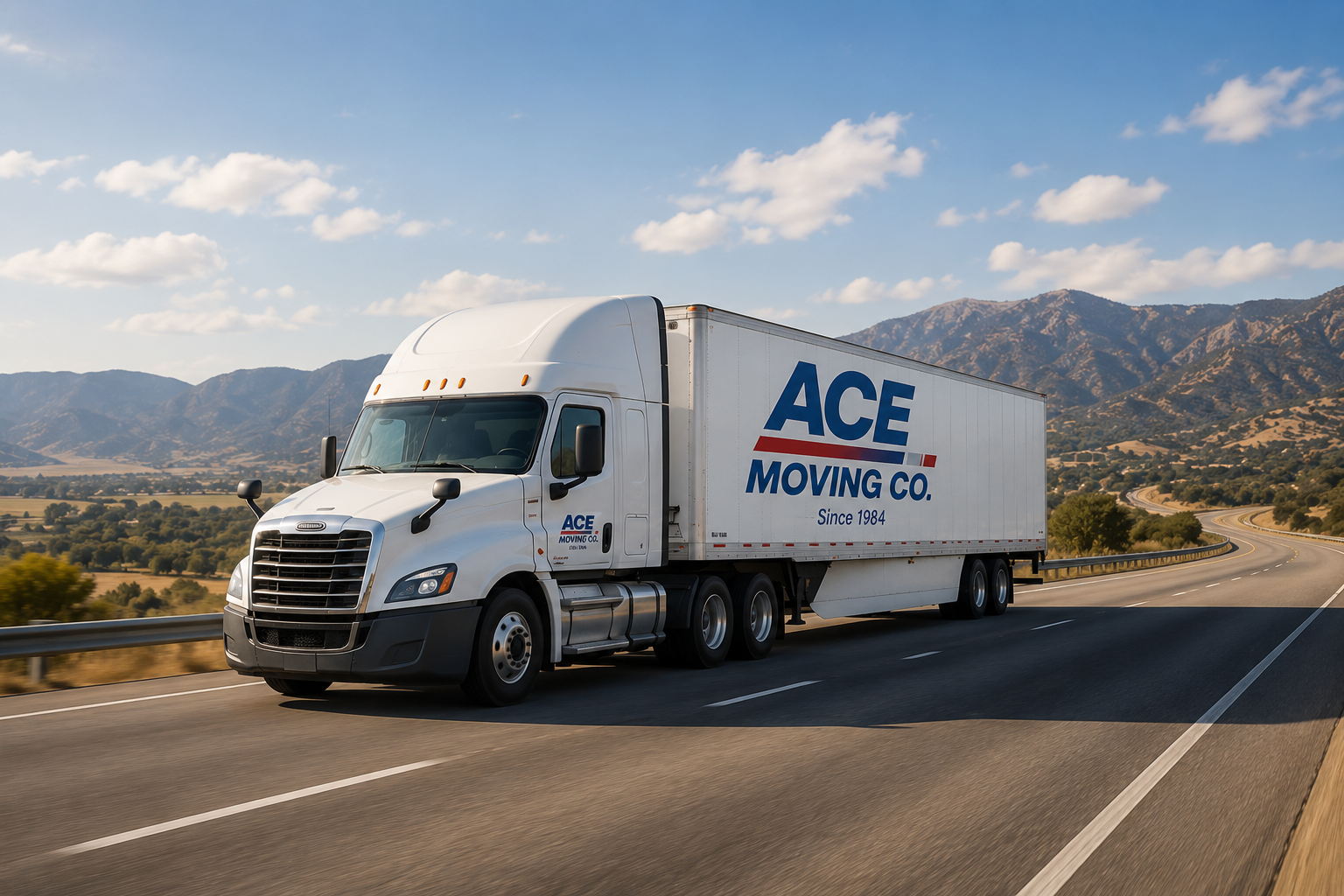
Interstate Moving Delays Explained

7 Common Reasons Interstate Moves Get Delayed

Most interstate moving delays are caused by logistics, transportation timing, weather, delivery access, or scheduling issues — not because your shipment is “lost.” Understanding what affects long-distance transportation can help set realistic expectations during a cross-country move.

1. Weather & Highway Conditions

Interstate routes may pass through storms, snow, flooding, mountain passes, hurricanes, or severe traffic conditions that slow transportation and affect delivery timing.

2. Federal Driving Limits

Truck drivers must follow legal hours-of-service regulations that limit how long they can drive before mandatory rest periods.

3. Apartment & HOA Scheduling

Elevators, loading docks, gated communities, apartment reservations, and HOA move-in windows can delay delivery availability.

4. Delayed Closings or Move-In Dates

Customers sometimes experience delayed apartment access, home closings, construction timelines, or temporary housing changes that affect delivery coordination.

5. Long Cross-Country Routes

A move from Oakland to Reno is very different from a cross-country move to Orlando, Tampa, or Miami. Longer routes naturally involve more scheduling variables.

6. Mechanical or Equipment Issues

Trucks occasionally require maintenance, inspections, or repairs during long-haul transportation. Professional movers should communicate major issues clearly.

7. Peak Summer Moving Season

Interstate moving demand is usually highest during summer months, which can increase route coordination complexity and extend delivery windows.

Important: Delays Are Not Always a Red Flag

Many interstate moves arrive later than customers originally expected while still remaining fully within the agreed delivery window. Weather, scheduling, and cross-country routing issues are common throughout the moving industry.

However, communication matters. Reputable movers should continue providing updates, estimated timing information, and coordination support throughout the transportation process.

If your move-in date changes during transit, our delayed move-in planning guide explains how interstate deliveries, temporary housing, and scheduling adjustments are typically handled during long-distance moves.

When Should You Be Concerned?

How to Tell the Difference Between a Normal Delay and a Real Problem

Interstate moving delays are frustrating, especially when you are waiting for delivery, staying in temporary housing, or trying to coordinate a move-in date. However, not every delay means your shipment is lost or that something is seriously wrong.

The most important factor is usually communication. Professional interstate movers should continue providing updates, estimated delivery timing, and coordination support throughout transportation.

Customer concerned about an interstate moving delay while talking on the phone

Usually Normal

You are still inside the delivery window

Interstate moves often arrive later than customers initially expect while still remaining within the scheduled delivery spread.

Weather or highway delays occur

Snow, storms, flooding, mountain routes, heavy traffic, and highway closures can affect transportation timing.

Your driver is still communicating

Delivery windows may shift slightly while dispatch teams continue providing updates and route coordination.

The truck is completing earlier deliveries

Long-distance routes sometimes involve multiple scheduled stops before your final delivery appointment.

Possible Red Flags

No updates for several days
The delivery window has fully expired
Calls and emails go unanswered
Unexpected payment demands appear
The company cannot explain shipment status
The broker or dispatcher disappears completely

What You Should Do if Your Move Is Delayed

  1. Review your Bill of Lading and delivery window
  2. Request written updates from your coordinator
  3. Document all communication and timing
  4. Confirm destination access and move-in scheduling
  5. Review your mover’s delay and claims policies

If your move-in date changes completely, our delayed move-in planning guide explains how temporary housing, scheduling adjustments, and delivery coordination are commonly handled during interstate relocations.

Most interstate moving delays are caused by transportation logistics, scheduling, weather, or access coordination — not because a shipment is lost. Clear communication, realistic delivery expectations, and proper route planning are some of the biggest differences between professional interstate movers and unreliable operators.