 Skip to content
Quick summary: Moving containers are usually the better cross-country moving option if you want flexible packing time, built-in storage, and you don’t want to drive a large truck. Rental moving trucks can look cheaper upfront, but fuel, hotels, tolls, mileage fees, and insurance often narrow the total cost difference.
- Best for flexibility: moving containers
- Best for full control: rental moving trucks
- Best for less stress: long distance movers (packing + transport handled)
Planning a cross country moving trip can feel overwhelming. Between prices, timing, and physical effort, choosing the right moving option matters more than most people realize.
Two of the most common DIY-style choices are moving containers and rental moving trucks. Both can get your belongings from one state to another, but they work very differently — and the total cost, stress level, and time commitment can vary a lot. This guide breaks down real pricing, hidden costs, and who each option is best for.
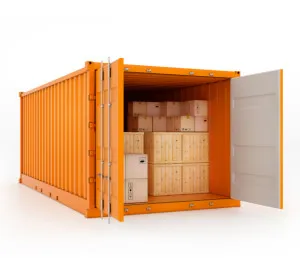
How Moving Containers Work
Moving containers are portable storage containers dropped off at your home. You pack your belongings inside at your own pace, usually over several days or weeks. Once loaded, the company picks up the container and transports it to your destination (or stores it until you’re ready).
This option is popular for long distance moving because it gives you more time to pack and often includes limited storage. You typically load once and unload once, which can reduce damage from repeated handling.
Common container sizes
- 8-foot container: small apartment or room-sized move
- 12-foot container: medium-sized household
- 16-foot container: larger homes (often 3–4 bedrooms)
If you want the flexibility of containers but don’t want to do all the heavy lifting, Ace Moving Co. can help with packing services in Oakland and labor support for container loading and unloading.

How Rental Moving Trucks Work
Rental moving trucks put everything in your hands. You rent the truck, load it, drive it across state lines, and unload it at the other end. This gives you total control over timing, but it also adds responsibility, risk, and physical work.
For a true cross-country move (for example, California to New York), you could be driving close to 3,000 miles. Most people need several days of driving, plus stops for fuel, sleep, food, tolls, and parking.
If you like the DIY cost idea but don’t want to drive, consider a professional long distance movers option instead — especially for big households or tight timelines.
Cross-Country Moving Costs: Containers vs Trucks vs Movers
Cost is the biggest deciding factor for many people — but the cheapest option upfront is not always the cheapest overall. The “truck price” is usually just the start.
Average cross-country moving costs (typical ranges)
| Moving option | Typical cost range | What’s included |
|---|---|---|
| Rental moving truck | $1,500–$7,000+ | Truck rental only (fuel & lodging extra) |
| Moving containers | $2,000–$7,400+ | Container + transport + limited storage |
| Full-service movers | $5,000–$10,000+ | Packing + loading + transport + delivery |
If you’re moving from the Bay Area, you can also compare real route-based options, like California to New York moving or Oakland to Seattle movers.
Hidden Costs Most People Miss
Rental truck extra costs
- Fuel: often $600–$1,000+ depending on distance and mpg
- Hotels: commonly $300–$600 total (varies by route and number of nights)
- Food, tolls, parking, and incidentals
- Insurance/damage waivers and potential fees for mileage or late returns
Moving container cost factors
- Container size
- Distance and route
- Storage duration and delivery scheduling
- Access (driveway, street placement rules, permits)
For many households, once you add truck fuel + hotels + time off work, the cost difference between trucks and containers shrinks. That’s why a professional interstate moving quote can be worth comparing before committing.

Comparison Table: Moving Containers vs Rental Trucks
| Feature | Moving containers | Rental moving trucks |
|---|---|---|
| Driving required | No | Yes |
| Packing time | Flexible (days/weeks) | Fast (often 1–2 days) |
| Storage option | Often available | No (separate storage needed) |
| Physical effort | Moderate | High |
| Cost predictability | Higher (bundled pricing) | Lower (fuel, hotels, mileage, timing) |
| Stress level | Lower for most people | Higher for most people |
Time, Effort, and Comfort: What Matters Most
Time
Containers give you breathing room. You can pack slowly, handle life and work, and avoid a frantic one- or two-day push. Rental trucks usually require fast packing and immediate travel.
Effort
Driving a large truck long distance is harder than many people expect — limited visibility, tougher turns, longer stopping distances, and more fatigue. Containers eliminate the driving entirely.
Comfort and storage
Containers can function like temporary storage if your new home isn’t ready. With a truck, you typically must unload immediately or rent a unit. If you need storage during your move, see Ace Moving Co.’s guidance on storage options in Oakland.
City Challenges: Permits, Parking, and Access
Cities can complicate both options. Some neighborhoods restrict placing containers on the street overnight or require permits. Rental trucks face similar issues — parking a large truck near apartments or busy streets can require planning.
If you’re moving out of a dense area like Oakland, using a local team that understands access rules can prevent costly delays. If you also need local help before the long-distance leg, start here:
Oakland local movers.
Insurance and Risk: What You’re Responsible For
With rental trucks, you’re responsible for the vehicle and the entire driving portion — breakdowns, damage, weather delays, and liability. With containers, the company handles transport, but your belongings inside should be covered by insurance (homeowner or renter policy or purchased coverage).
When Hiring Movers Makes More Sense
For larger homes, long routes, or tight schedules, hiring professional movers can reduce stress and risk. Full-service movers handle the heavy lifting, logistics, and delivery planning so you don’t lose days driving or recovering from loading.
If you want an option that’s more hands-off than DIY but still practical, compare a professional quote with your container or truck plan. Ace Moving Co. specializes in long distance moving services and high-volume routes out of California — including Oakland to New York moves.
A simple next step (no pressure)
If you’re deciding between a moving container, a rental truck, or hiring movers, a written quote makes the decision easier. Call (510) 481-0230 to talk through your timeline, shipment size, and best-fit option.
Moving locally first? Start with Oakland local movers.
Need packing help for a pod or truck? See packing & unpacking services in Oakland.
Frequently Asked Questions
How much cheaper is a rental truck than moving containers for cross-country moves?
Rental trucks can look cheaper upfront, but fuel, hotels, tolls, insurance, and mileage fees often make the final cost close to moving container pricing.
How long does it take for moving containers to arrive across the country?
Cross-country container deliveries commonly take about 7–21 days depending on route schedules, distance, and delivery windows.
Can I pack a moving container myself, or do I need help?
You can pack it yourself, but hiring professionals for loading and unloading can save time and reduce injury risk. Ace Moving Co. can provide packing and labor support in Oakland: packing services.
What happens if my container gets delayed or something goes wrong?
Container companies handle transportation issues, but your items inside should be insured. Always confirm your coverage before moving day.
Should I get a moving container or a rental truck for a local move under 100 miles?
For very short moves, rental trucks are often the simplest DIY option. For larger households or schedule gaps, movers or storage-supported options can be a better fit.
